Analysis from the live market
The Market Desk
What the job market is doing, from BabZituna’s own listings when they can carry the question and from primary statistics when they cannot. Every figure names its source, and every piece ends with what it means for you. About the desk
Page 3 of 7
Earlier editions
- How the numbers workEgypt and Brazil report the same 6.8% unemployment. In Brazil 59 adults in a hundred are in work; in Egypt, 42.The unemployment rate counts the people looking for work as a share of those working or looking.
- Across economiesIn Morocco, working women are more likely than men to earn a wage. In Pakistan, where few women work too, they are far less likely.Fewer than one woman in four is in the labour force in Morocco (19.8%) or in Pakistan (24.0%).
- Across economiesIn a year, Brazil gained 335,000 people working for themselves with a registered business. The number working for themselves did not measurably grow.Brazil's labour survey for May to July 2026, published by IBGE on 27 August, counts 103.3 million people in work, 899,000 more than a year earlier, and unemployment at 5.3%, the lowest for those months since the series began in 2012.
- Across economiesSix Gulf markets carry 621 live openings and not one of them can print a median advertised salary. Vienna does it on three job boards.Of the 65 markets BabZituna serves, 22 publish a median advertised salary.
- Across economiesChina's labour force fell by 12 million between 2014 and 2024 while its adult population grew by 63 million. Fewer people were in it, not fewer people alive.Across the 182 economies carrying the count in both years, the world's labour force grew by 412 million people, from 3,273 million to 3,685 million.
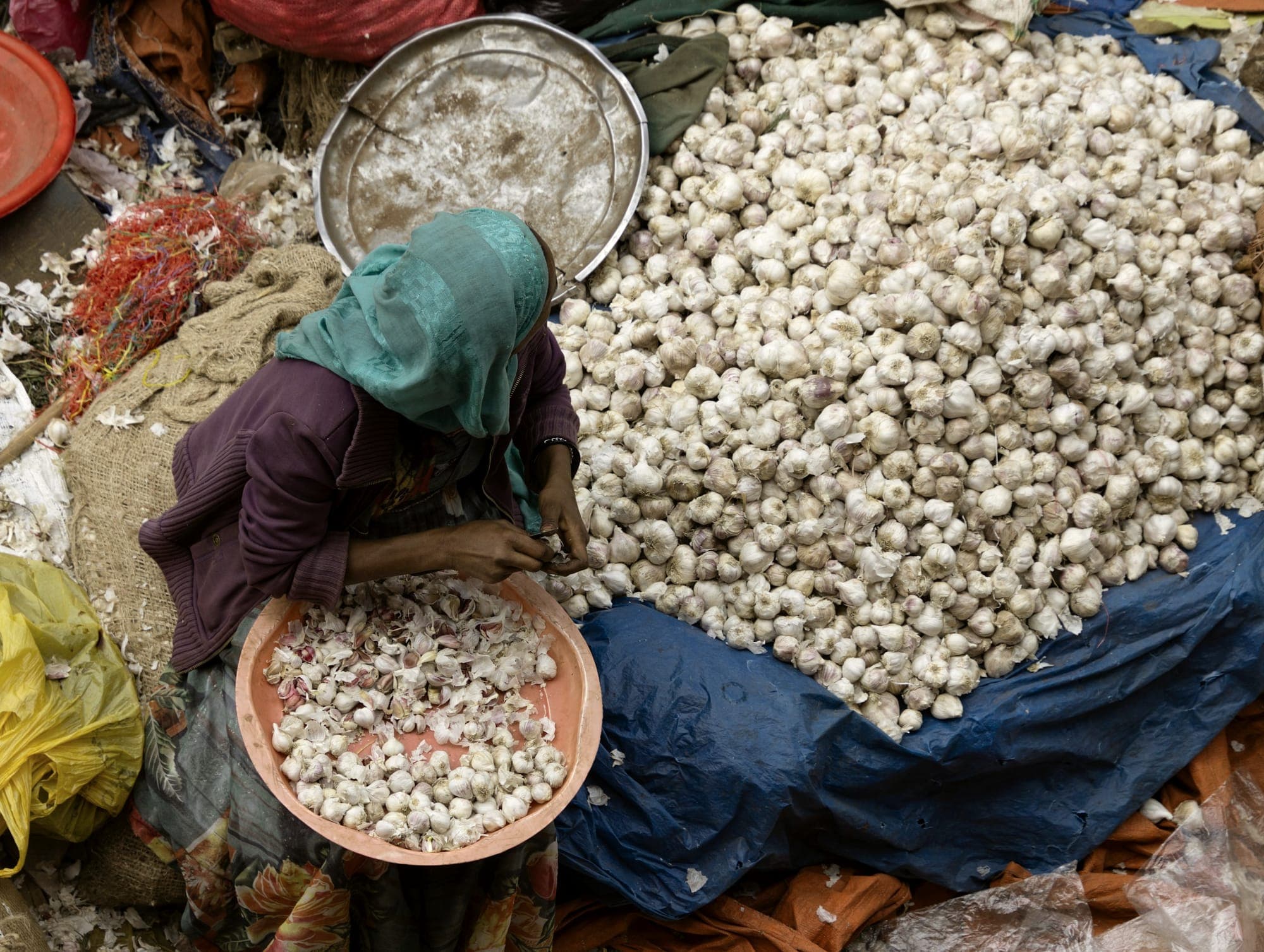
- Across economiesIn Ethiopia, 340 people work alone for every one who employs anybody. Being self-employed rarely means employing anyone.In 2024 own-account workers, meaning people self-employed with nobody working for them, were 54.5% of everyone in work in Ethiopia, while employers were 0.16%: 340 of the first for every one of the second.
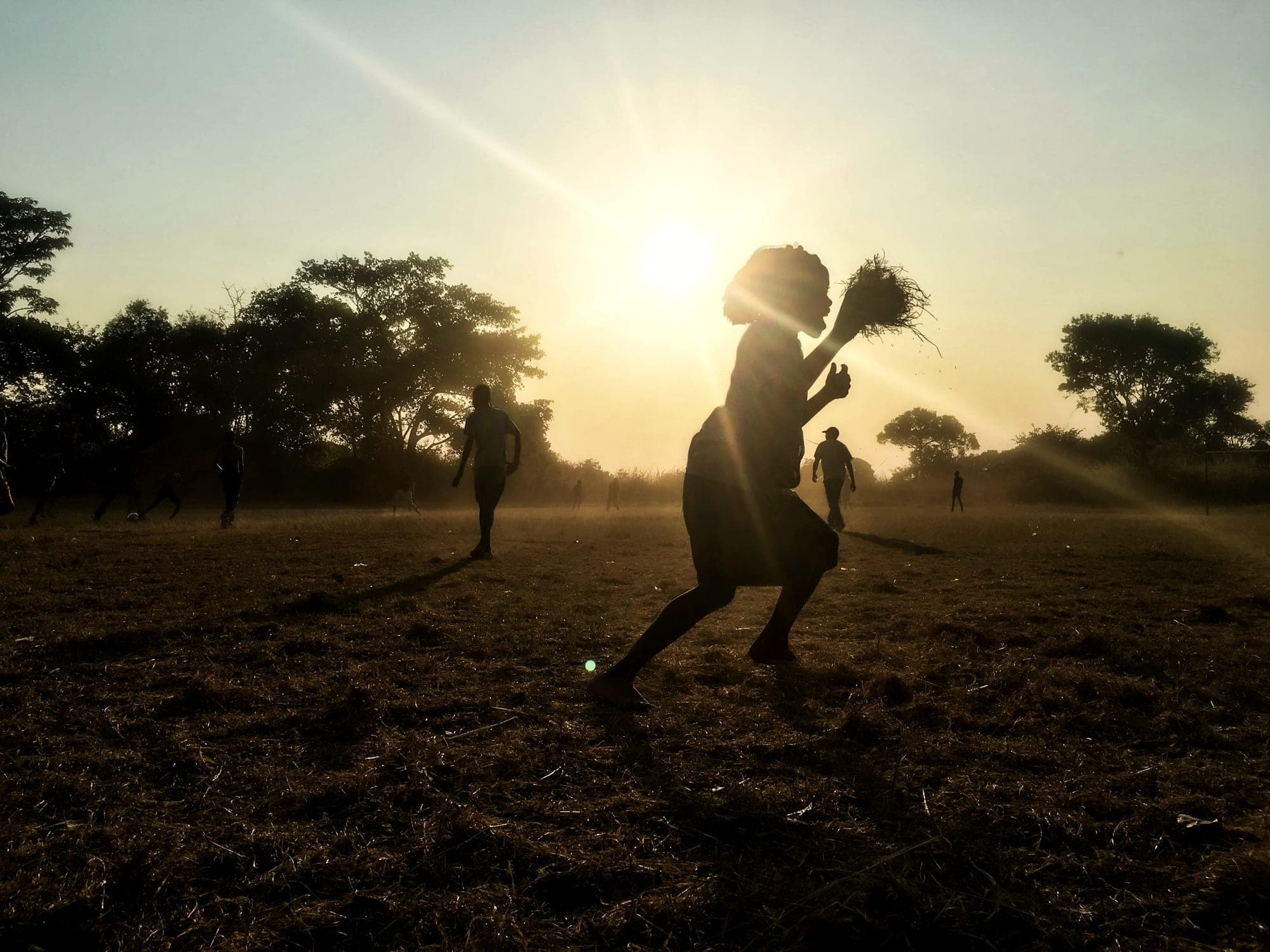
- Across economiesIn Zambia agriculture employs 55.3% of all workers and produces 2.8% of the economy. In Burundi it employs 85.4% and produces 35.1%. The distance between where people work and where output is counted is not a verdict on the people.In 2024 agriculture employed 55.3% of Zambia’s workers and accounted for 2.8% of its output, a gap of 52.5 percentage points.
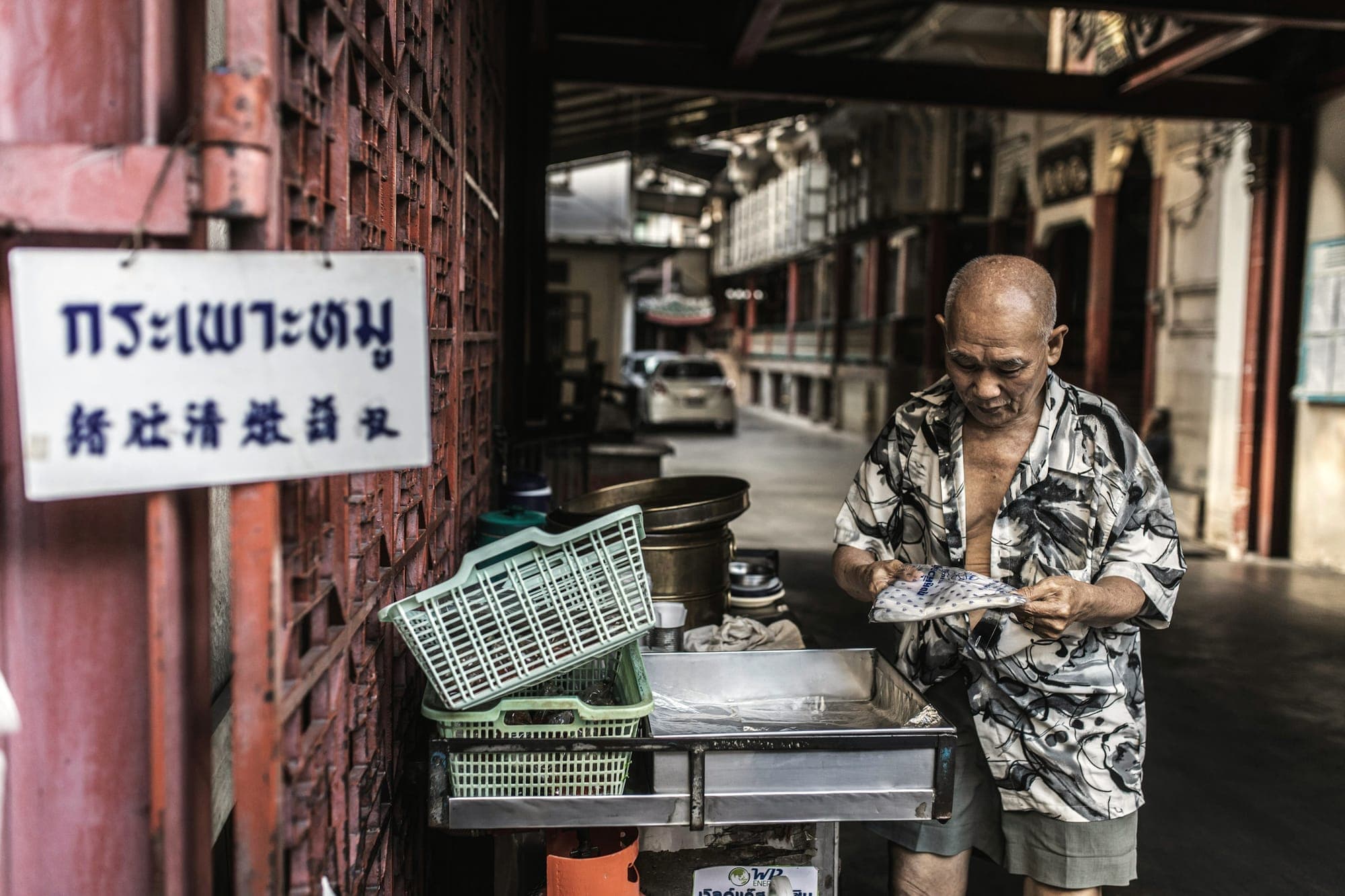
- Across economiesThailand has more over-65s than children. So does America.In 2024, for the first time, the share of Thailand’s people aged 65 and over passed the share aged under 15: 15.36% against 14.75%.


What the desk tracks
Every piece is written from these live streams — open them yourself; they are the same pages we read.
- Salaries by cityMedian advertised pay across 41 hubs, in local currency, refreshed continuously.
- Remote shareHow much of each market is flagged remote-eligible — and where the global pool surfaces.
- Skills in demandWhat employers actually name in listings, recognised against the ESCO vocabulary.
- Who is hiringThe employers holding the most live roles in the aggregated supply, right now.