Analysis from the live market
The Market Desk
What the job market is doing, from BabZituna’s own listings when they can carry the question and from primary statistics when they cannot. Every figure names its source, and every piece ends with what it means for you. About the desk
Page 2 of 7

Earlier editions
- Across economiesDisabled Swedes are three times as active as disabled LithuaniansSame survey, same year: 9.7% of Lithuanians with a disability are in the labour force, against 27.7% of Swedes. Without a disability, Lithuania leads, 66.3% against 57.1%.
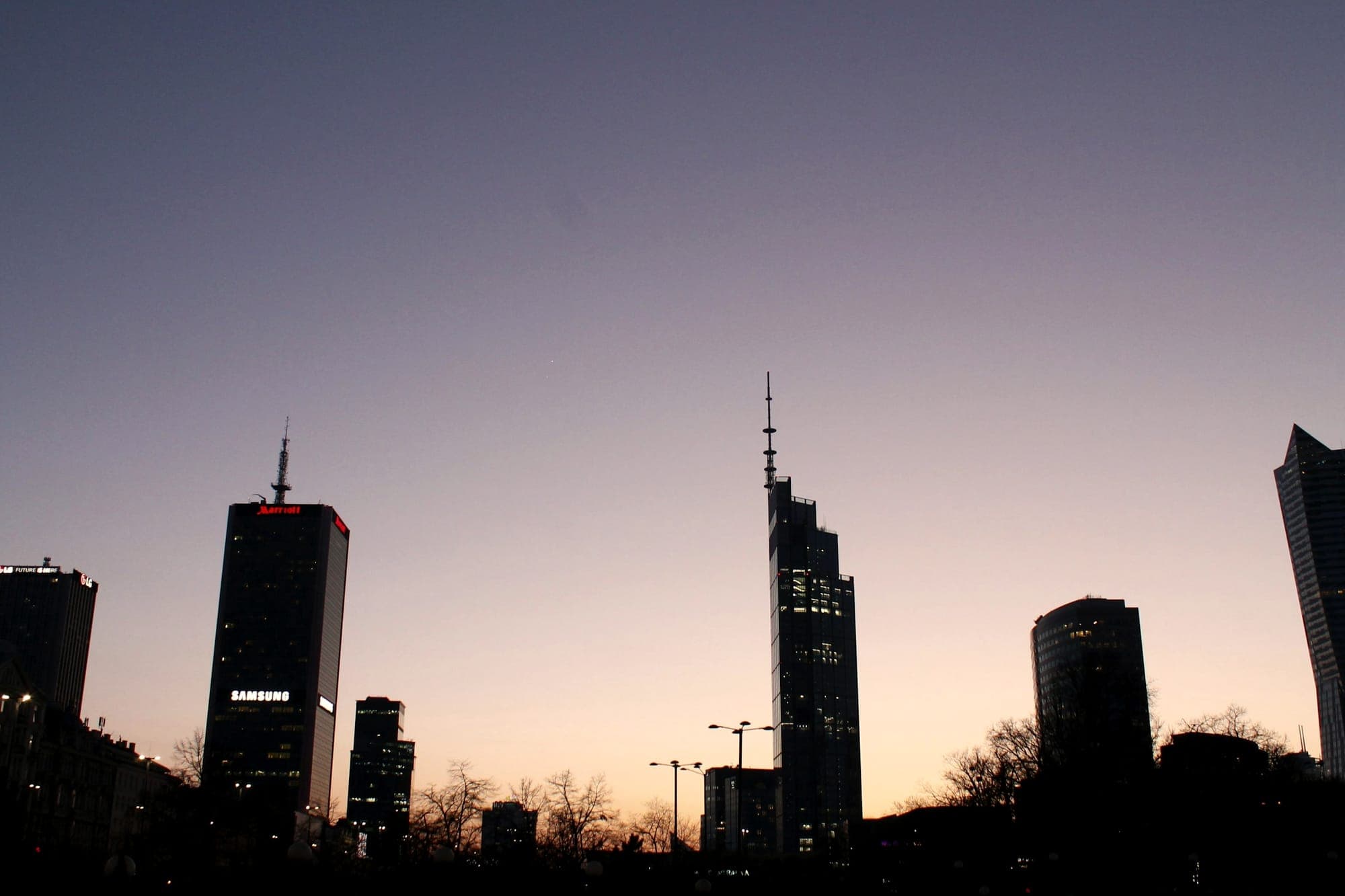
- Across economiesPoland has sixty times South Korea’s share of long unemploymentPoland and South Korea report 3.0% and 2.8% unemployment. Of Poland’s unemployed, 28.8% had been looking for a year or more in 2025; of South Korea’s, 0.5%.
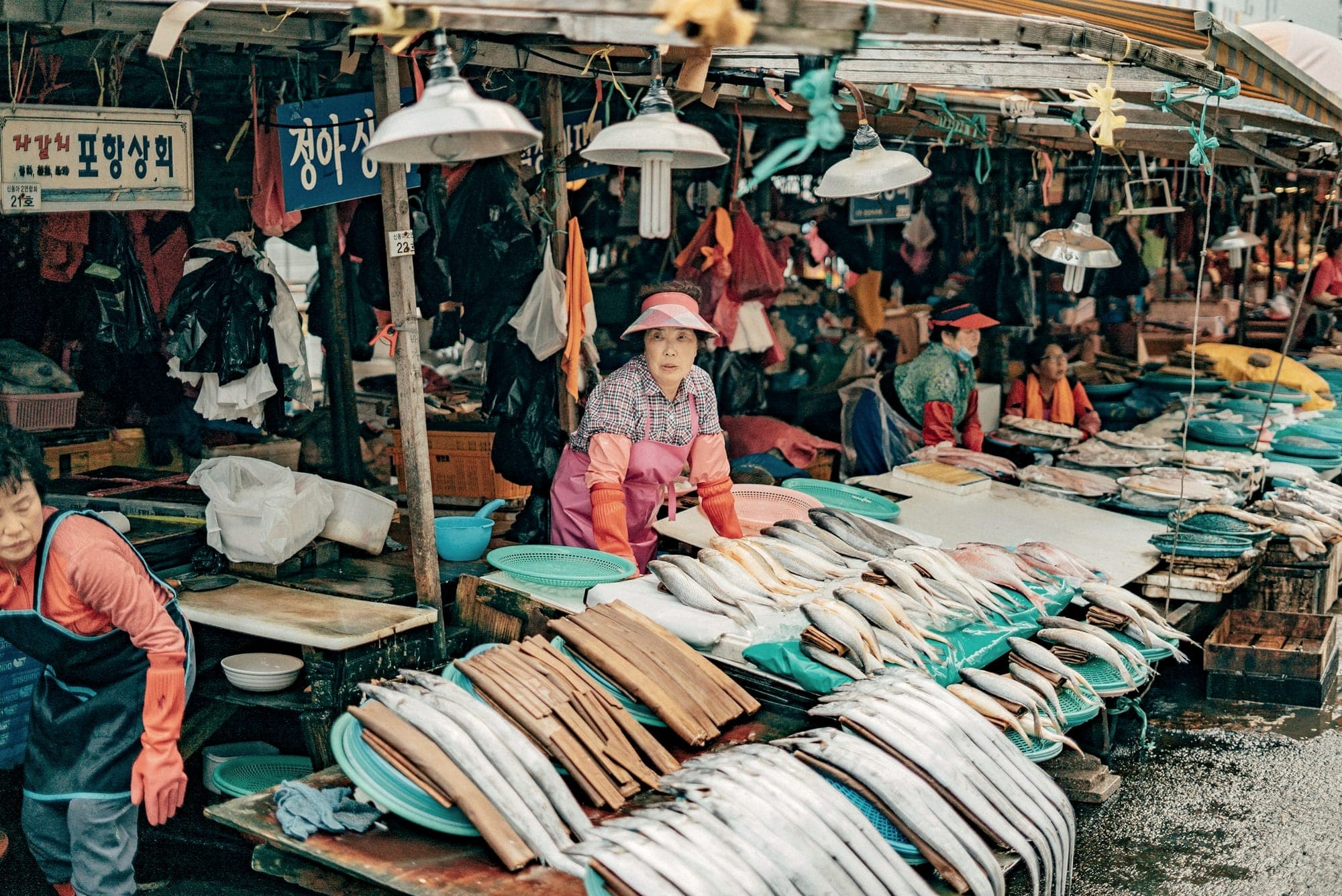
- Across economiesTen times as many Koreans as French work past 65In 2025, 40.7% of South Koreans aged 65 or over were in work, and 4.2% of the French. Across 160 economies, income sorts who still works after 65; it does not sort who works before it.
- Across economiesIn Jordan, two employees in five are paid below two thirds of the national median. In Portugal, one in twenty-five.In its latest reported year, 40.8% of Jordan’s employees earned less than two thirds of Jordan’s own median hourly pay, the highest share of 103 economies; in Portugal the share was 4.0%, the lowest.
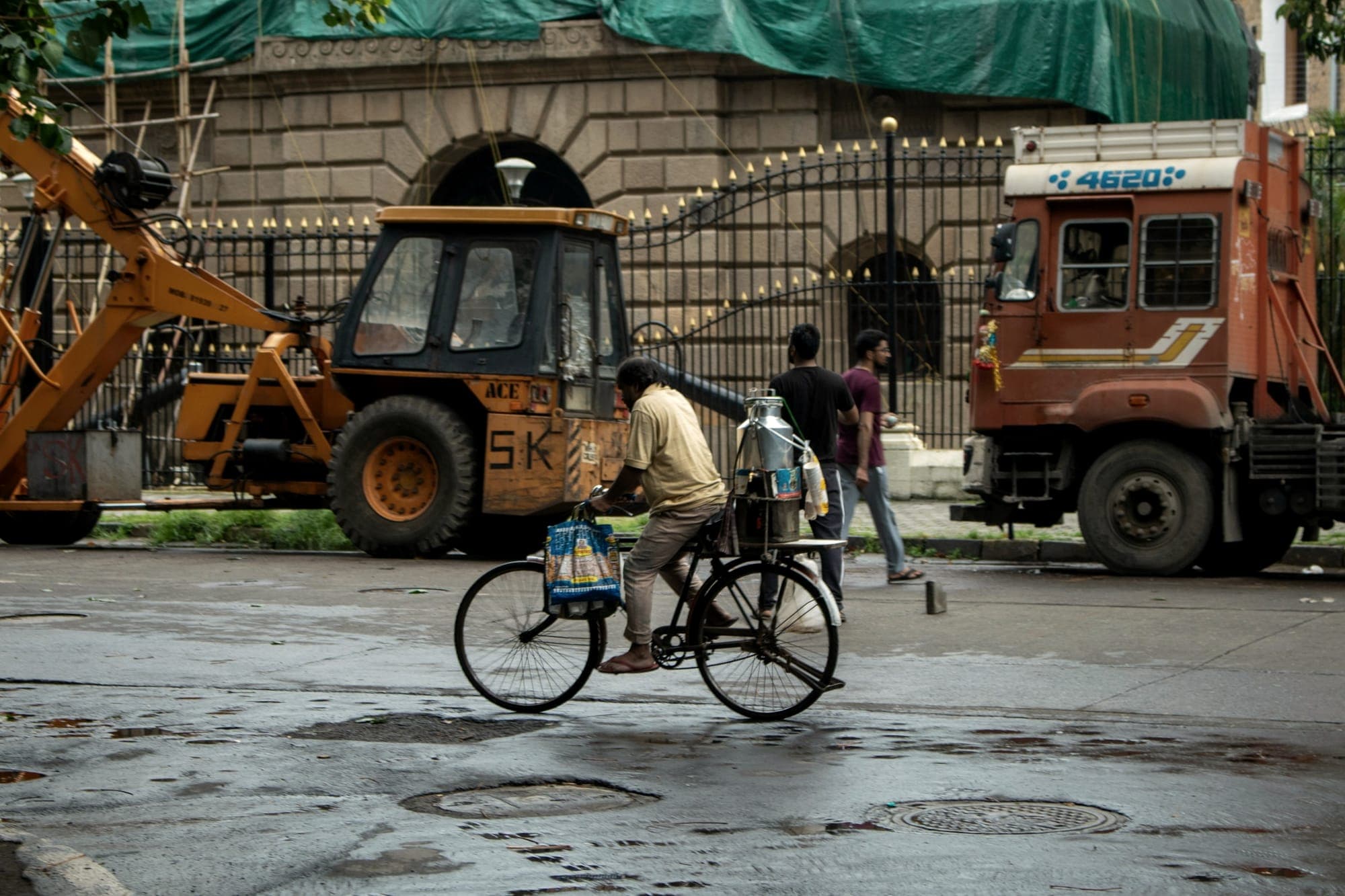
- Across economiesNearly nine in ten of India’s workers hold an informal job. In France, three in a hundred do.In 2025, 87.2% of India’s employed held an informal job on the ILO’s harmonised definition, the 22nd highest share of 106 countries; in France the share was 3.4%, the 95th.
- Across economiesWomen are 45% of Japan’s workers and 14% of its managers. In the Philippines they are a larger share of managers than of workers.Women were 45.2% of Japan’s employed in 2023 and 14.5% of its senior and middle managers, a ratio of 0.32, the third lowest of 115 countries; in the Philippines in 2024 they were 40.9% of the employed and 43.5% of the managers.
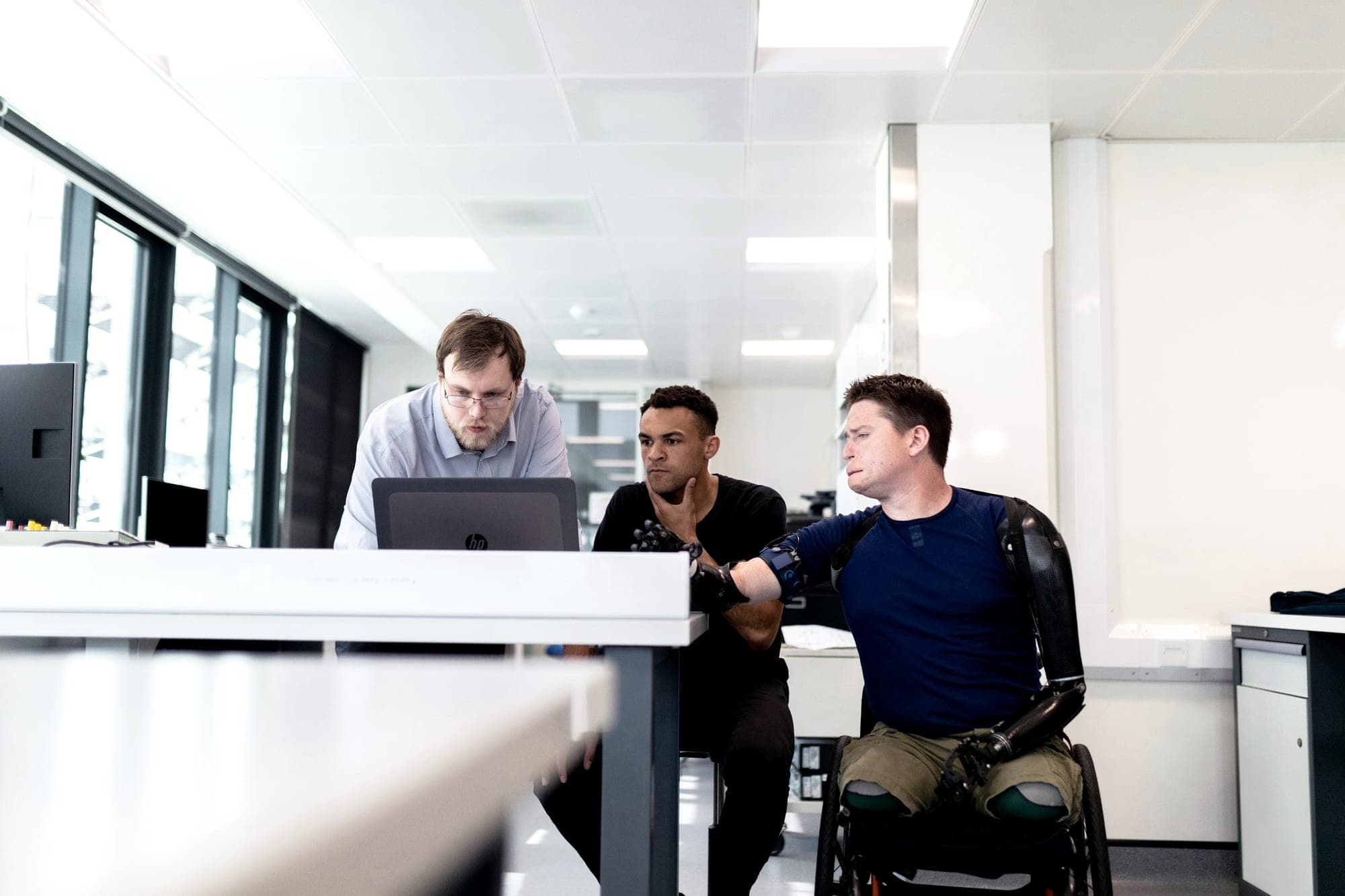
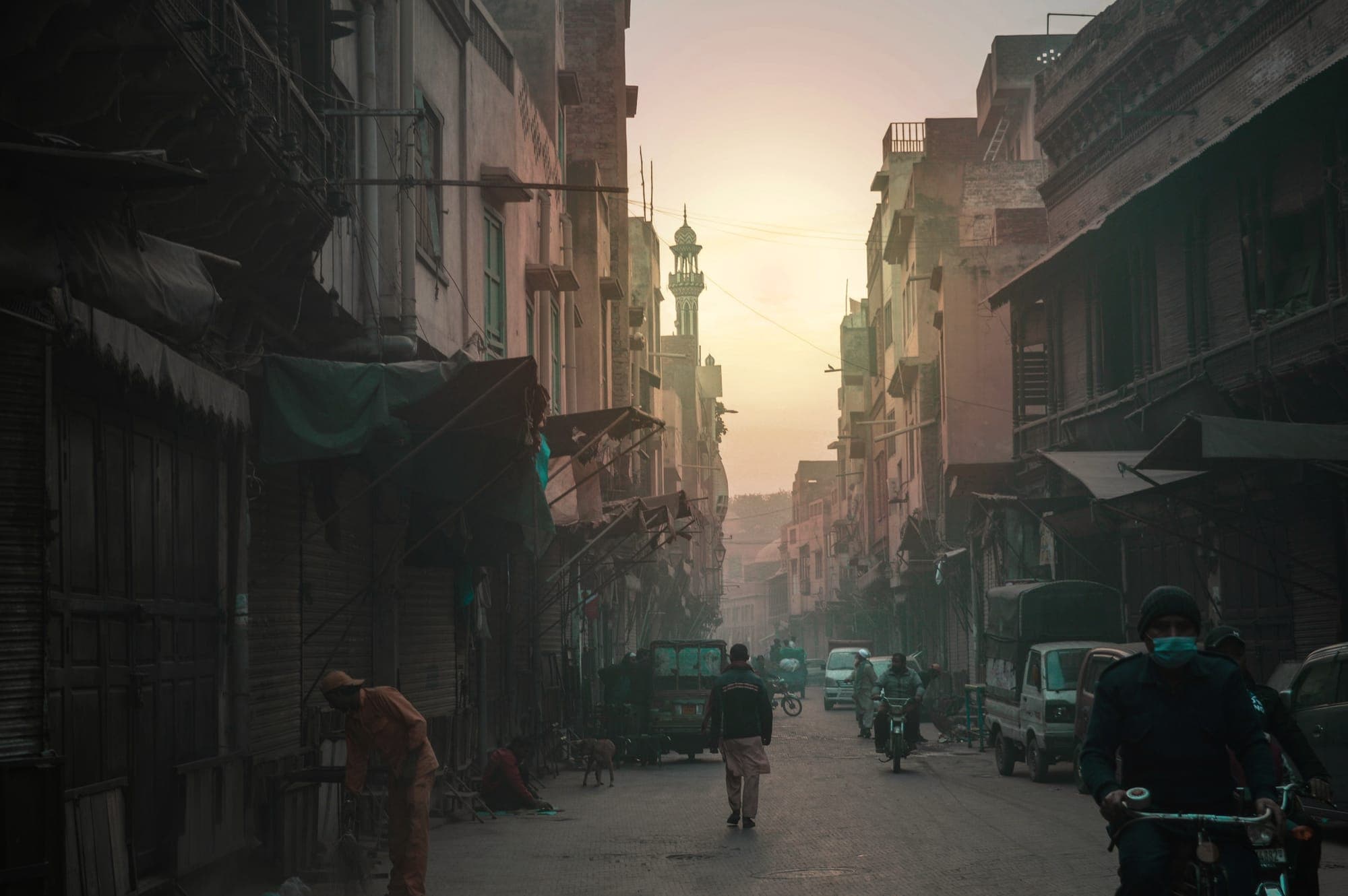
- Across economiesForty-five in a hundred young women in Pakistan are neither working nor studying. In the Netherlands it is four in a hundred young people, women and men alike.In 2025, 45.4% of Pakistani women aged 15 to 24 were neither in employment nor in education or training, against 13.1% of Pakistani men of the same age; in the Netherlands the rate was 3.9%, the lowest of 117 countries, and the same for both sexes.
- Across economiesThe working week is 50 hours in the United Arab Emirates and 30 in the Netherlands. Men work longer than women in 108 of 110 countries.People in work in the United Arab Emirates put in 50.5 hours a week in their main job in 2025, the longest week of 110 countries; in the Netherlands, 30.2 hours in 2024, the 106th.



What the desk tracks
Every piece is written from these live streams — open them yourself; they are the same pages we read.
- Salaries by cityMedian advertised pay across 41 hubs, in local currency, refreshed continuously.
- Remote shareHow much of each market is flagged remote-eligible — and where the global pool surfaces.
- Skills in demandWhat employers actually name in listings, recognised against the ESCO vocabulary.
- Who is hiringThe employers holding the most live roles in the aggregated supply, right now.